
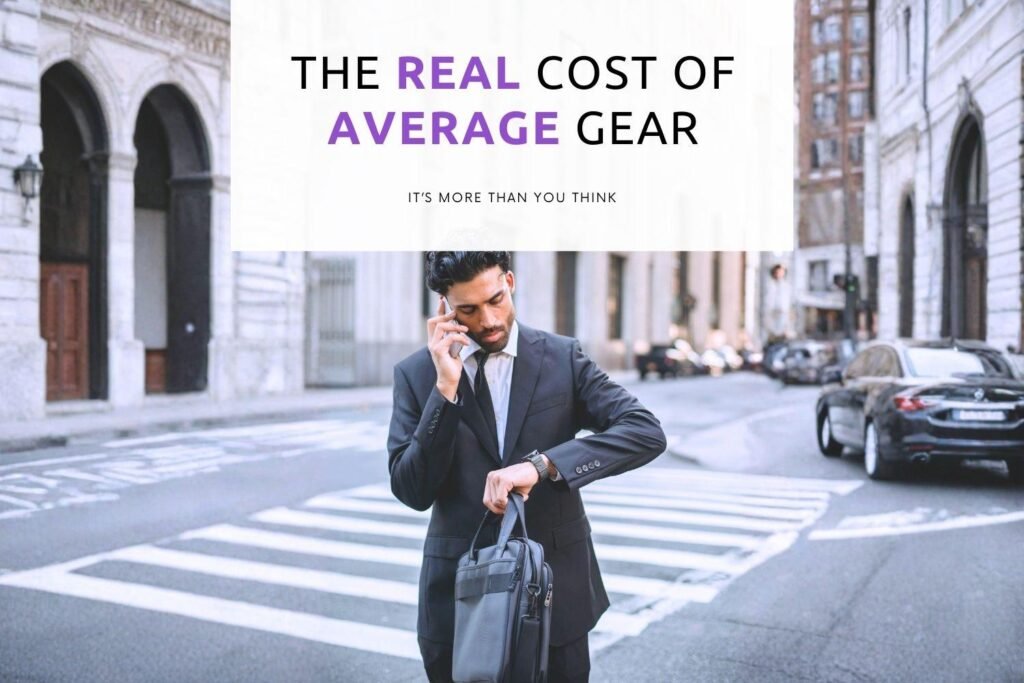
Picture this. You buy a backpack. It looked great and firm in the photos when you bought it online. But now it’s all loose and creased. Well, a little bit of mismatch is normal right? So, you stay positive and let it slide.
Now, in a few days, you realize it doesn’t quite fit all that you need to carry. The pockets are not enough, or not spacious enough. And it takes some time to fiddle through to find what you need.
Still, you manage your expectations and move on.
In a few weeks, you realize it’s exhausting to carry. It doesn’t weigh that much. But it still feels heavy and uncomfortable when you wear it on your back.
But, you learn to live with it.
Fast forward a few months, and it starts breaking down. A zipper jams. The stitches are coming loose in some places. The fabric is tearing or fading.
So you buy another one. And the cycle continues.
By now, you have accepted these minor and major failures as normal — cheap stuff breaks, you replace it, life goes on.
But have you ever stopped to calculate what this pattern actually costs you?
Not just in money, but in time, energy, and the small daily frustrations that add up.
Most people think the cost of a product is the same as its price tag.
But the price tag only tells you one part of the story. The real cost tells you the whole picture.
When you use average work, life, or travel gear, it charges you in other ways every single day.
So, let’s look at what average gear is quietly taking from you.
Cost 1: The physical toll you didn’t expect
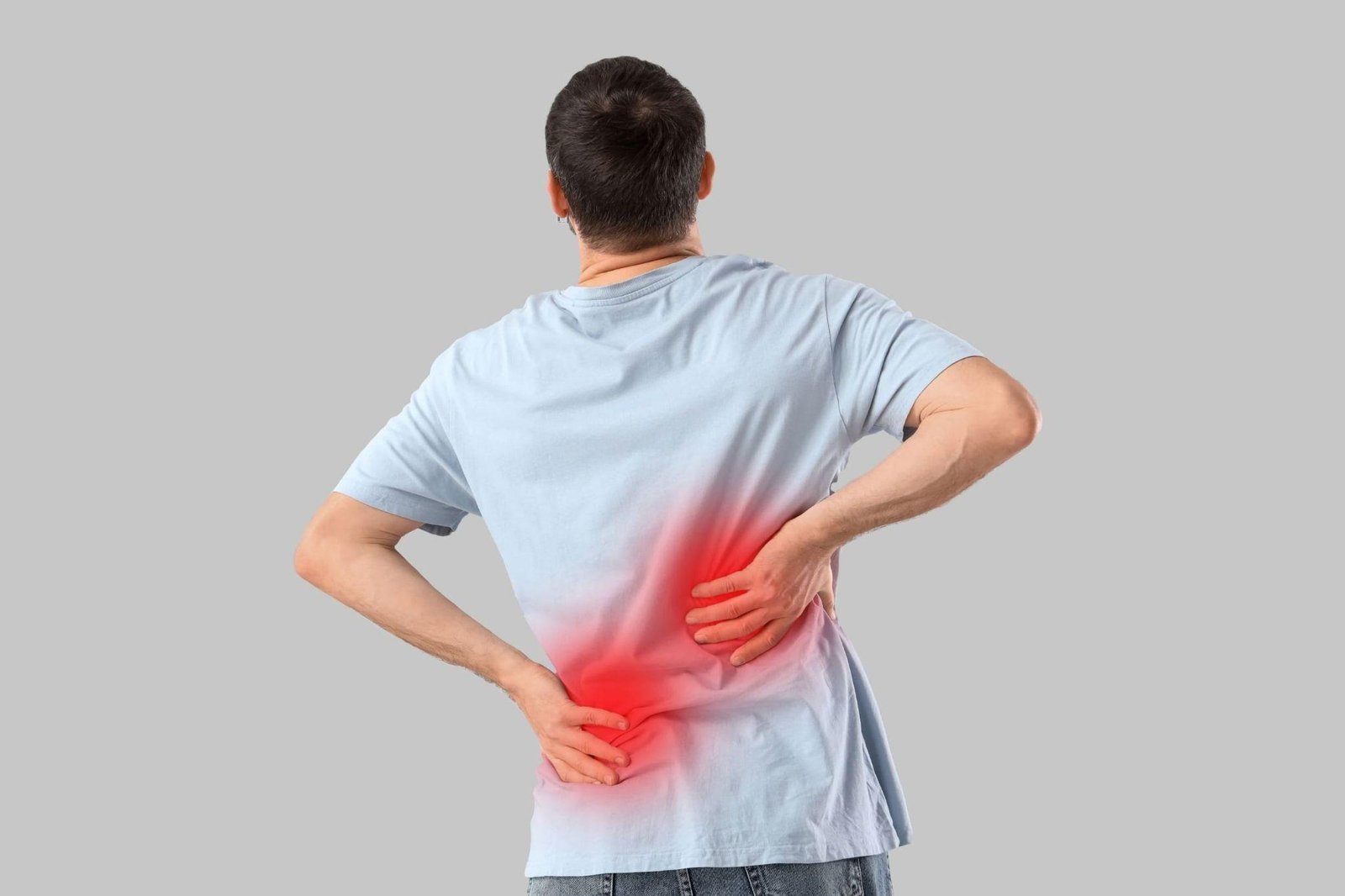
Here’s something most people don’t realize: weak gear isn’t always heavier on paper. It’s heavier on your body.
Think about your typical day in your city. Long commutes. Client meetings. Gym. Social life. Your bag is with you through all of it.
Now, if that bag has poor load distribution, the weight pulls unevenly. Straps that aren’t properly padded start digging into your shoulders. Back panels without ventilation trap heat and sweat against your body. A handle that is too thin strains your grip every time you pick it up.
The result? Shoulder pain, back ache, and that subtle exhaustion you can’t quite explain. A constant feeling of drag instead of momentum.
You adapt. You shift the bag from one shoulder to the other. You take it off whenever you can. You tell yourself it’s fine.
But here’s the thing—over months and years, that fatigue compounds. It quietly steals energy from your work, your workouts, and your evenings. Every day becomes slightly harder than it needs to be.
Cost 2: The struggle with poor practical usability

Average gear frustrates you in dozens of tiny ways that make it hard to use.
Take a backpack, for example.
- Your water bottle doesn’t quite fit in the side pocket, so it keeps falling out.
- There’s no dedicated spot for your gym shoes.
- Cables and chargers float around loose, tangling with everything else.
- You dig through the same bag three times looking for your earphones.
Each of these moments is minor on its own. But together, they create constant mental noise — small friction points that interrupt your focus and add to the chaos of an already demanding day.
Cost 3: The replacement cycle that never ends
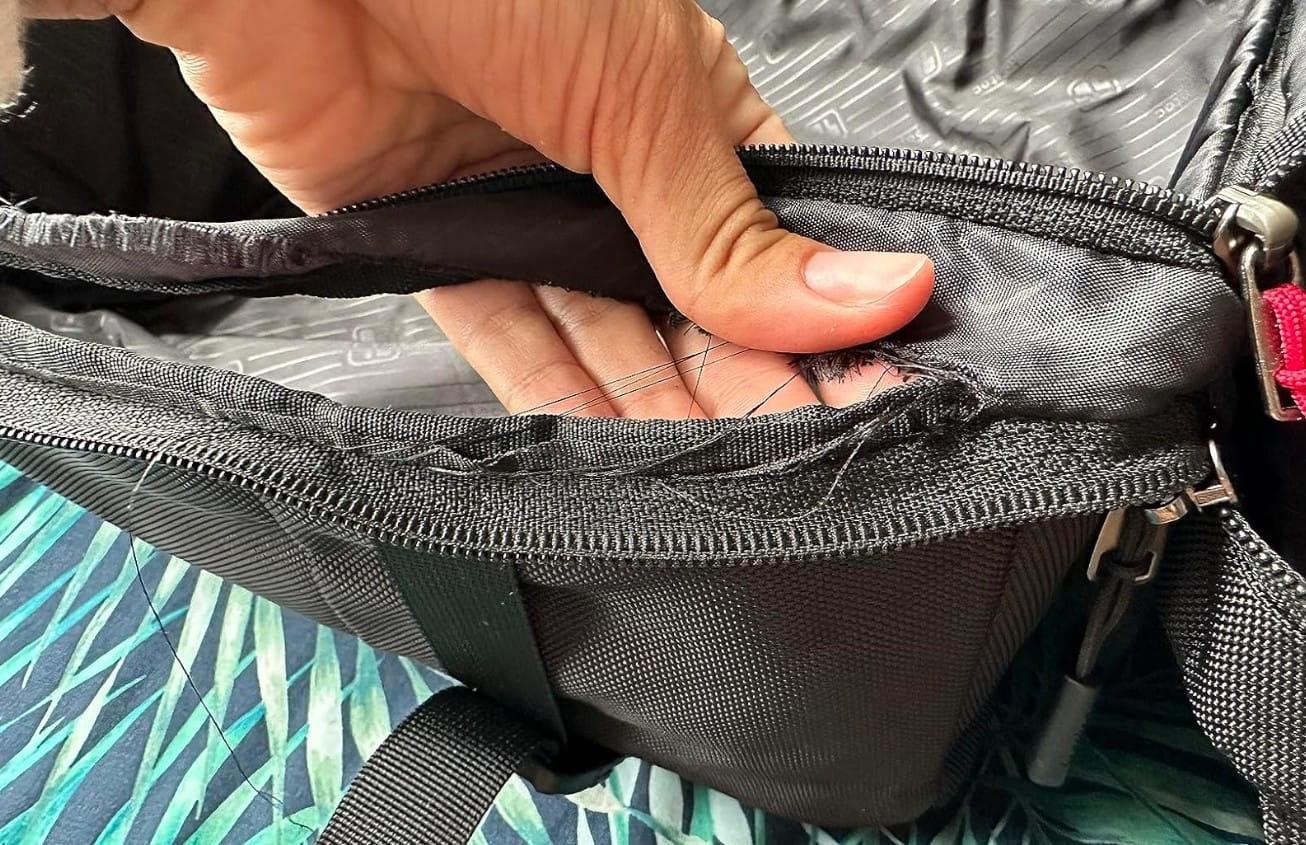
Average gear gives up in just a few months. Edges start to fray. Zippers lose their smooth glide. Stitching loosens at stress points. Fabric that once looked sharp starts piling and fading.
So you start browsing again. Reading reviews. Comparing options. Hoping this time will be different. The hours spent researching add up. The money spent rebuying adds up even faster.
Within a year or two, you’re back in the same cycle. And there’s a subtler cost too—you never fully trust your gear. You’re always slightly aware that it might let you down.
You never experience what it’s like to own something that feels permanent, reliable, and built for the long run.
Cost 4: The subtle drop in social confidence
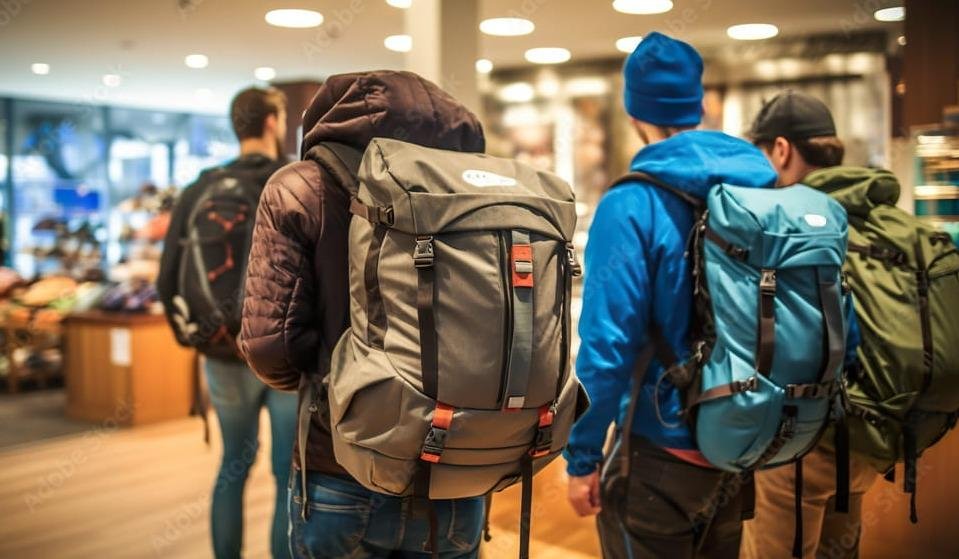
There’s one more cost that’s easy to overlook because it’s not physical or financial. It’s about how your gear makes you feel — and how it makes you appear.
- Maybe it looks too casual for serious work settings.
- Or too stiff and formal when you’re heading to the gym or meeting friends.
- Maybe it’s so “minimal” and “safe” that it has no character at all.
- Or it followed a trend that already feels dated.
You walk into meetings, airports, gyms, and dinners carrying something that feels slightly… off. That slight dip in confidence when you set your bag down in a nice restaurant or a client’s office.
It doesn’t match the image you have of yourself or the impression you want to make. And look, whether we like it or not, people do notice these things.
The costs add up
Let’s be honest. None of these costs will ruin your life on any given day.
But that’s exactly why these costs are so easy to ignore—and so expensive in the long run.
They accumulate quietly. Day after day. Month after month.
Draining your energy, eating your time, adding friction to your routine, and subtly chipping away at how you feel when you move through the world.