
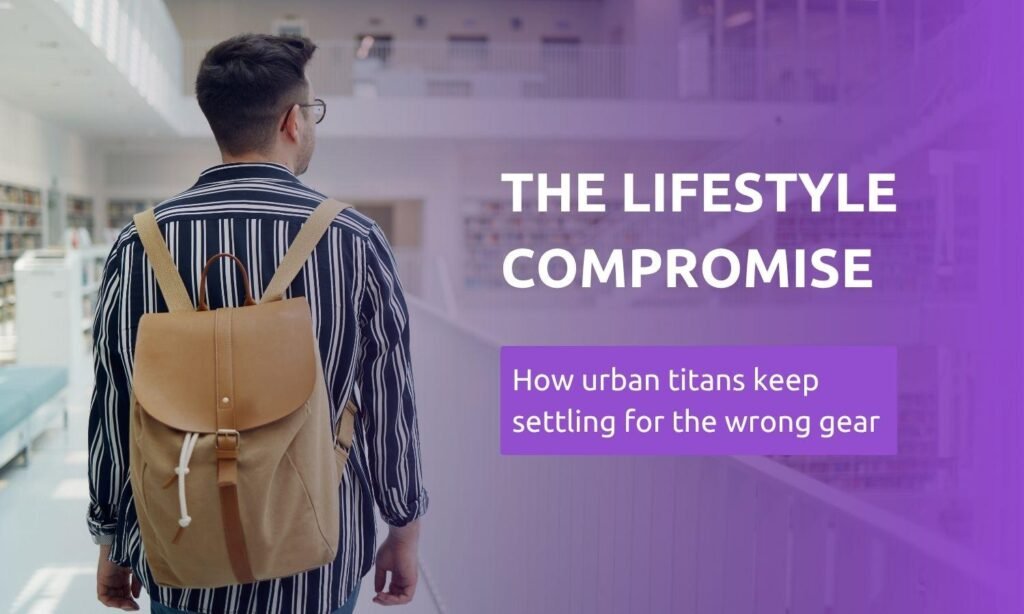
Most gear wasn’t designed for how you actually live, work, and move. Premium compromises utility, tactical is too much, and nothing in between fits your life. You deserve better.
You live through and switch between multiple contexts on a regular basis.
Meetings. Workouts. Flights. Special Occasions.
And with gear that’s trying to keep up with all of it.
But is your gear actually built for the life you live?
Most gear wasn’t designed for how you actually live, work, and move.
Premium compromises utility, tactical is too much, and nothing in between fits your life.
There’s a mismatch between how modern urban titans live, work, and move, and the gear they use for these contexts.
You deserve better.
Let’s start with the first gap.
Great for showing off. Terrible for real life.
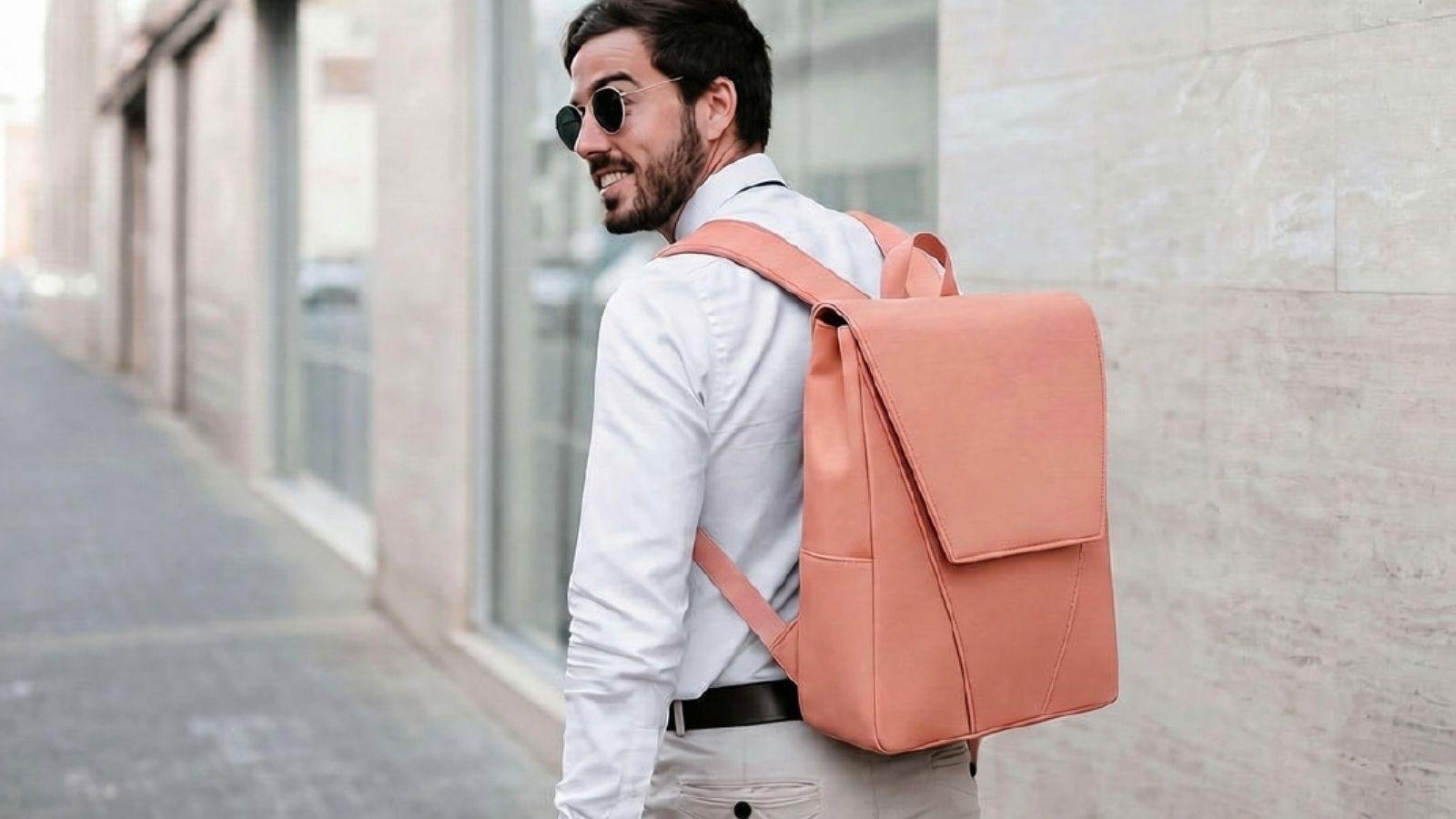
The most basic expectation from any bag, apparel, or accessory, is durability.
Every now and then, you go through a lot in the city.
Rain, heat, crowded subways, airport security, office floors, gym lockers, and everything in between.
But the gear you buy isn’t built for that kind of usage. It tears, sags, fades, or starts showing scratches in a very short time.
And before you know it, something you bought just a few months ago looks like it’s been through years of use.
The problem is, most urban essentials aren’t constructed to handle a real urban routine.
They’re built to look good on a shelf or in an Instagram photo only. Not to survive your Monday through Friday, let alone your weekends.
Hard on your body

The next problem is that of comfort.
You carry or wear your gear for a good duration over the whole week. Yet, it’s not designed with your body in mind.
Digging shoulder straps. Pinching handles. Poor back ventilation. Uneven load stabilization
Over time, these small discomforts add up, leading to numerous issues.
Sore shoulders, lower back tension, and general fatigue that you can’t quite explain.
You don’t always notice it at the moment.
You just feel more drained at the end of the day than you should.
Too rugged for indoors, or too formal for outdoors
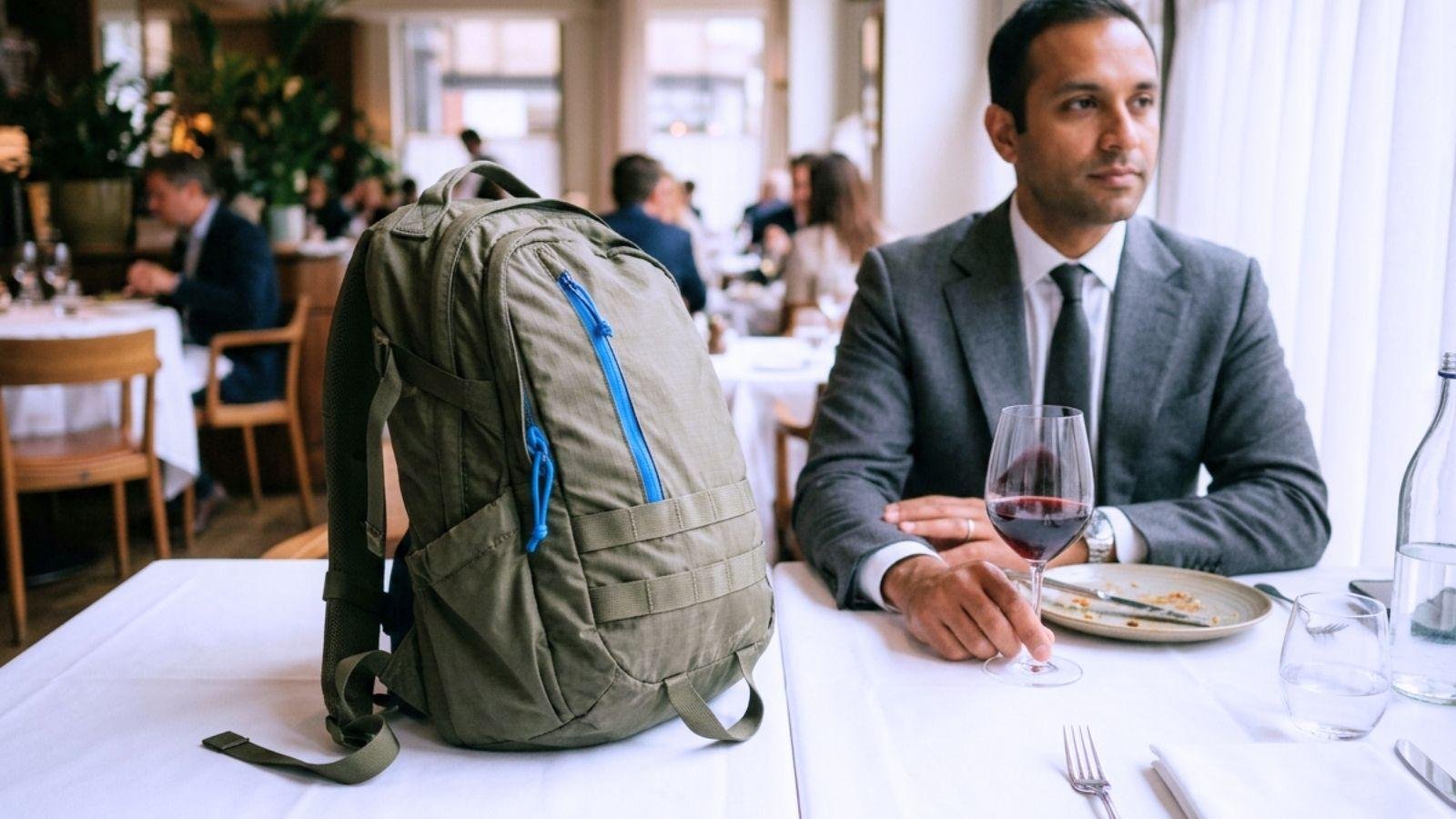
Another crucial aspect is whether your gear is suited to a wide range of urban environments you find yourself in.
Because real urban life doesn’t happen at a single place. It happens across multiple settings, varying from indoors to outdoors, such as:
- A boardroom meeting.
- A badminton game in the evening.
- A late-night flight.
- A weekend hike that keeps you close to nature
So the real question isn’t whether your gear is appropriate and works for one setting. It’s whether it looks and works right across all of them.
For most products out there, the answer is no.
You either get minimal and featureless gear that fits the formal, indoor environments of work and meetings, but fails as soon as you are out the door.
Or you get something rugged and bulky that fits the casual, outdoor environments of travel, gym or sports, but is too much for a client meeting.
In short, most gear is designed and styled for only one dimension of your life. Not for the full range of places your life actually takes you.
So you end up switching gear and rearranging things every time you switch contexts.
Let’s not forget about usability

And finally, we come to utility.
You’d think by now, brands would have figured out how to make gear that maximizes usefulness, convenience, and ease of use.
Gear that replaces friction and chaos with peace of mind and productivity.
But no.
Most urban gear still treats practical convenience as an afterthought.
Pockets that make it difficult to arrange or fit your stuff.
Clips and loops that are non-existent, or that don’t make sense.
Compartments that keep collapsing, a nightmare to pack or find what you’re looking for.
Quick-access features don’t actually give you quick access to anything.
The result? You spend more mental energy managing your gear than you should.
Instead of reducing the chaos in your day, your gear adds to it.
It’s time for a change
So, there you go.
4 ways in which the options you have today are not matching the way you live, work, and move.
Durability. Comfort. Design. Usability.
You might be reading this and thinking these are small problems.
A bag, for example, is just a bag.
But think about how often you use your gear.
These might seem like small issues but none of these exist in isolation.
They overlap. They compound.
Together, they create a constant friction in your life, work, and travel experiences.
A few seconds finding the right pocket.
A small ache in your shoulder by the afternoon.
A flash of self-consciousness when you walk into a room where your bag does not belong.
A zipper that fails at the worst possible moment.
These are small frictions. But you absorb them hundreds of times a year.
The cumulative cost is real, even if it is hard to measure.
It doesn’t have to be this way.